
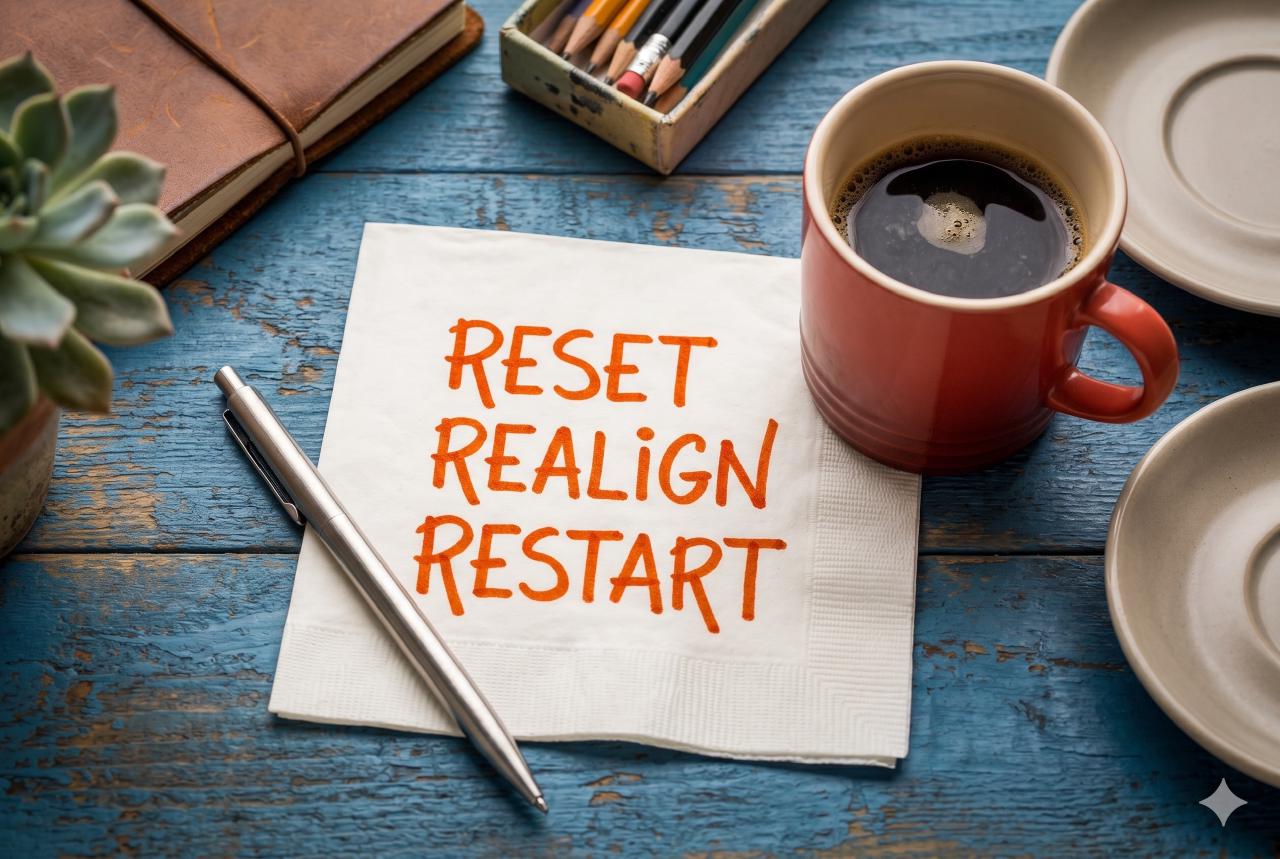
Throughout my career, I’ve led, project managed, and advised on many organizational and departmental restructures. They’re often misunderstood—seen as purely operational or reactive. But when approached with intention, restructures can be a powerful way to realign how work gets done, reconnect people to purpose, and reset a culture that may be drifting.
Yes, restructures are a form of change. Like all change, they can spark resistance, anxiety, or blame. But they can also invite clarity, momentum, and growth. The difference comes down to how they’re led—and whether people feel like they’re part of it, or just subject to it.
When a Restructure Is the Right Move
Restructures should never be a quick reaction to temporary frustration or a top-down fix that skips over the people doing the work. The best ones are thoughtful responses to patterns that show up across feedback, data, and results.
A few signs that it may be time to consider a restructure:
- The plan (“big picture”) doesn’t match what’s actually happening on the ground
- Engagement is dropping because of how the work is structured, not just because of culture
- The organization has grown, added new services, or things have become more complex
- Communication and collaboration are breaking down across teams or departments
These are signals that your structure might be outdated—or worse, holding your organization back.
Use Feedback, But Look Deeper
Employee voices are essential. They’re the ones living the reality of your systems every day. But when it comes to restructuring, not all feedback has the same motivation.
Sometimes people push for change because something genuinely isn’t working. Other times, feedback may be rooted in personal frustration, resistance to accountability, or discomfort with emotionally difficult work.
If you start hearing things like, “We just need to get rid of that position,” or “This department is the problem,” it’s time to pause and ask:
- Is this about structure, or about someone not liking boundaries or oversight?
- Is this feedback about the system, or is it targeting a person or function that enforces the hard stuff?
- Are we solving a real issue—or are we avoiding a more honest conversation?
Executives, HR, and leadership should look for triangulation and real, lived experiences that consistently emerge across roles and levels.
Here are a few key things to watch for:
- Motivation: Is the feedback rooted in personal frustration (“I”) or focused on improving team and organizational health (“we”)?
- Patterns: Are multiple people or teams pointing to the same issue based on their own experience, or are they echoing someone else’s story?
- Scapegoating: Is one role, person, or department being blamed for broader dysfunction? This often happens to roles that manage emotional labor, enforce boundaries, or act as truth-tellers.
- Displacement: Are people trying to change the structure to avoid harder conversations about behavior, leadership, or accountability?
Feedback is most powerful when aggregated, aligned with values, and forward-focused. Discernment means recognizing when feedback is truly about improving the work and separating that from noise, such as avoiding discomfort, spreading unchecked emotion, or protecting personal control.
If you hear these themes in engagement surveys, exit interviews, or team feedback sessions, it may be time to ask: Is our structure helping or hindering the outcomes we care about most?
Employee feedback is not just a morale barometer—it’s a diagnostic tool. When teams speak up about friction points, missed handoffs, or slow decision cycles, they’re offering insight into the structure of how things actually get done (or how decisions are made).
Here’s how to use it:
- Map feedback themes to org design principles (autonomy, clarity, accountability, etc.)
- Conduct listening sessions across levels and functions to spot structural pain points
- Look beyond symptoms to root causes—is it truly a people or structure issue?
- Ask forward-focused questions: “If we could rebuild this team from scratch to meet our goals, what would look different?”
Don’t Overlook Titles: The Quiet Impact of Labels
Title changes can seem like small details during restructures, but they carry real emotional weight. Titles shape how people see themselves, how others see them, and how they talk about their work.
Even when responsibilities and pay stay the same, a new title can spark questions like:
- Does this mean I’ve been demoted?
- Will this affect how people treat me?
- What does this mean for my career growth?
If titles are changing, be clear about why. Explain how the title fits into the new structure and reinforces the value of the role. Update job descriptions and public-facing materials. Most importantly, take time to validate the person’s contribution. Titles may be just words on paper, but to the person holding them, they often represent progress, pride, and purpose.
Communicate with Clarity and Care
Even well-designed change can create fear. The antidote? Clear, honest, and compassionate communication from beginning to end.
Here’s what good communication during a restructuring looks like:
- Start with the “why”: Be honest about what’s driving the restructure. Link it to strategy, values, and feedback—not just budget or headcount.
- Acknowledge the emotional side: Change is personal. Give people space to ask questions, express concern, and understand how they fit into what’s next. Take the time to meet one-on-one with people directly impacted, and hold group meetings with those indirectly impacted.
- Be specific about what’s changing: Share timelines, decision criteria, and what will stay the same. Be transparent about what’s still in progress.
- Support your people leaders: Managers are the emotional bridge in any change. Equip them with messaging and space to lead with empathy.
- Stay present after the rollout: Don’t disappear. Keep talking. Share small wins. Adjust if something isn’t working. Let people see that the restructure isn’t the end—it’s a new beginning.
Restructures Are About Realignment
At their best, restructures are about helping people do their best work in the right places—not just changing boxes on an org chart.
When done with care, they create momentum, trust, and focus. When done poorly, they create confusion, resentment, and loss.
So, if you’re leading one, lead with intention. Use feedback wisely. Watch for misplaced blame. Take care with titles. And above all, communicate like people matter.
Because they do.